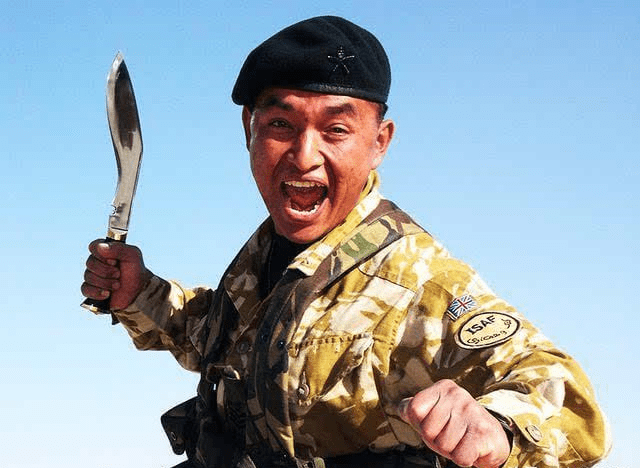
Dear mother
This is a gesture of memory from your son,
Who lives seven hundred seas away.
I know how sad you must be without me.
But I’m fine here in this valley of shadows, free
From all mundane avarice, misery, and tears,
Resting now at peace for ever and a day.
The flesh that once was sleek and sound
Has given way to dust, and now only we, the bones,
Remain to discuss upon my ruined destiny.
I do clearly remember that dawn when the unsung song
Of sadness hung in the air, and I had to bid farewell
To you all; the shadows had crowded over the dales
And ravines like impatient ghosts; my dog Pangrey
Whimpered on and on wagging its tail nervously
As though it had known fully well that this departure
Would never bring its master back again.
And with your eyes welling up with tears pressing your lips against
My abir-daubed brow, you had blessed me in your breath
“To be always brave.” I have tasted fire and swallowed it raw
At many fronts from Burma, Ladakh, Nefa, Malaya, and Kargil
To Germany, Italy, Tunisia, Falkland, and Kosovo. Yes, mother,
I had been a hero all the while until a piece of glowing lead
Pierced my heart like a bolt from the blue,
Packing me off into a realm of dream and eternity-for ever more.
My fate has fastened my eyes to my kingdom where
History broods amidst the debris of lies and hypocrisy.
That’s why I lie buried here among my friends and enemies,
Those who killed us and those whom we killed. We have everything
In common here; we live in total harmony in a community
Of true brotherhood. For we are the lost citizens of the world.
Weep not for me oh my mother,
For my war is over; now I need no more
To risk the gunshots and shells or risk my khukuri,
Or advance through the hell of the fronts.
Yelling the dreaded words “Ayo Gorkhali.”
By which, indeed, we scared our enemies to death,
But, in return, the very mantra snatched away our own lives.
Wars are always wars and death takes no prisoners,
And soldier a mere little thing for sacrifice, mother.
All my dreams, my youth, and my life-have been
Plundered by those slow fat generals
Who made their medals on young blood.
Oh my mother dear,
The only thing I always regret is that
I was unable to make up for your milk during
This lifetime. For I died for the cause of others in a war of no glory.
Forgive me, mother. And weep not for me any more,
But ruminate for those living whose wars are now to be feared about.
– D. B. Gurung
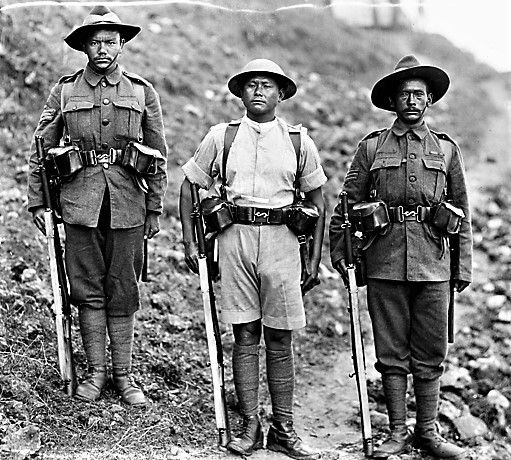
- Composed by D.B. Gurung, a Nepali poet
- Free verse
- Lamentation of a Gurkha soldier who has died fighting worthlessly in a foreign land.
- In the form of a letter addressed to his mother.
- Tells his mother not to weep for him because his war has already ended and he is in rest now under the earth.
- The only thing he regrets, he tells, is that he was unable to make up for her milk (love and sacrifice), because he died untimely at his young age fighting for the cause of others, not for the mother country or mother herself. For this, he asks forgiveness of his mother.
- A bitter truth = Fate of Gurkha soldiers = Fighting and dying “for the cause of others in a war of no glory”.
- A truth of death = friends and enemies all alike lie together buried “in total harmony in a community of true brotherhood”.
- Expression of a patriotic feeling – ‘mother’ in the poem is not just the mother woman who gave birth to the Gurkha soldier, but it also refers to the motherland, his own country.
- abhir-daubed brow = forehead that has abhir (crimson-colored powder) applied on it – a practice done in Nepal while bidding somebody farewell
- khukuri = a Nepalese traditional weapon
- Pangrey = name of a dog
- “Ayo Gorkhali” = meaning “Gurkha soldiers have come!”
Interpretation of the Poem
This poem, composed by a Nepali poet, D. B. Gurung, is a lamentation of a Gurkha soldier who has died fighting worthlessly in a foreign land. It is written in the form of a letter addressed by the soldier to his mother. In this poem, we find the true fate and bitter reality of Gurkha soldiers alongside their heroic words and deeds.
As the title “Letter from Foreign Grave” suggests, a dead soldier speaks from his grave. He tells his mother not to weep for him because his war has already ended and he is resting in peace now under the earth. He says, “I’m fine here in this valley of shadows, free from all mundane avarice, misery, and tears.” With such consoling words he tries to console his weeping mother who had bade him farewell by putting abir on his brow and blessing him to be always brave. He really did fight bravely in several battles until the day a bullet hit him suddenly and killed him. [When he says that he fought “at many fronts from Burma, Ladakh, Nefa, Malaya, and Kargil to Germany, Italy, Tunisia, Falkland, and Kosovo,” we understand it is not only about one Gurkha soldier, but the Gurkha soldiers in general, be it British Gurkha soldiers or Indian Gurkha soldiers who have fought ever since the World War I.] Now he is dead, but he says he is in peace and in total harmony with both his friends and enemies. Here, he mentions a truth about death – that friends and enemies all alike lie together buried dead in the grave “in a community of true brotherhood.” Since he doesn’t have any more enemies to fear, his mother needn’t worry about him. And so, she also needn’t weep for him anymore.
But then, he mentions a bitter truth about fighting in war. “A soldier is a mere little thing for sacrifice. All my dreams, my youth, and my life have been plundered by those slow fat generals who make their medals on young blood.” So, there isn’t any achievement for the soldier in dying, for his death is a mere sacrifice that rewards only the generals. Nevertheless, he doesn’t grieve for dying. The only thing he regrets, he says, is that he was unable to make up for his mother’s milk (her love and sacrifice), because he died untimely at his young age fighting for the cause of others, not for the mother country or mother herself. It was “a war of no glory.” [The Gurkha soldiers are the hired soldiers who fight and die not for their own country, but for Britain or India that hire them.] For this, he asks forgiveness of his mother and pleads her not to waste her tears for him who has already died but to think deeply about other sons who are still living and fighting in wars.
Here, the mother who is addressed is not just the mother woman who gave birth to the Gurkha soldier, but metaphorically it also refers to the mother country, Nepal. Hence, this poem is drenched with patriotic feeling.
GLOSSARY
avarice (n): extreme desire for wealth, greed
bolt from the blue (ph): an event or a piece of news which is sudden and unexpected
brood (v): to think a lot about something that makes you very annoyed, anxious, upset or sad
dale (n): a valley (especially in northern England)
debris (n): broken pieces of wood, metal, brick, etc. that are left after something has been destroyed
departure (v): as act of leaving a place
destiny (n): fate, luck
front (n): an area where fighting takes place in a war; a battlefield
gesture (n): something you do or say to show a particular feeling or intention
hypocrisy (n): falseness; pretension
misery (n): great suffering of the mind or body
mundane (adj): not interesting, not exciting; earthly
piece of glowing lead (n): bullet
plunder (v): to steal things using force
ravine (n): a deep, very narrow valley with steep sides
regret (n): to feel sorry about something you have done
ruined (adj): destroyed or severely damaged
ruminate (v): to think deeply about something (of the past)
scare to death (ph): frighten terribly
sleek (adj): smooth, shiny, elegantly dressed
wag (v) if a dog wags its tail or its tail wags, its tail moves from side to side several times
whimper (v): to make low, weak, crying noises (of animals)
abhir-daubed (adj): crimson-colored powder applied
khukuri (n): a Nepalese traditional weapon
 Ramrowriter
Leave a comment